
A tooth extraction in Aldie, VA may be recommended when a tooth is too damaged, infected, or compromised to be safely restored. While preserving natural teeth is always an important goal, removing a severely affected tooth can sometimes protect your overall oral health and prevent further complications. At Aldie Smiles Dentistry, Dr. Edward Park evaluates each patient’s individual situation before recommending treatment.
A tooth may need to be removed because of severe decay, an infection that cannot be successfully treated, significant trauma, advanced gum disease, or other structural problems. Your dentist will assess the tooth and discuss whether restoration or extraction is the most appropriate option.
Dentists generally prefer to save natural teeth whenever possible. However, some teeth are too compromised for predictable restoration. Keeping a severely damaged tooth may sometimes lead to continued pain, infection, or problems affecting nearby teeth and tissues.
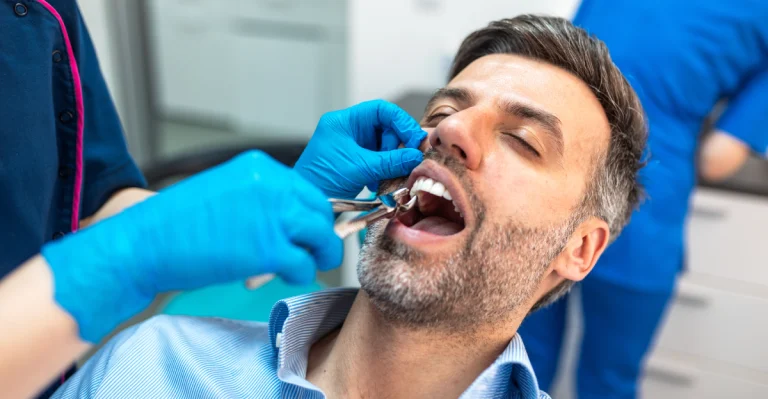
A tooth extraction procedure removes the affected tooth from its socket. Depending on the tooth’s condition, its location, and how accessible it is, your dentist may perform a simple tooth extraction or a surgical tooth extraction.
Extensive decay can weaken a tooth to the point where there is not enough healthy structure remaining to support a filling or crown. When restorative treatment is no longer a reliable option, tooth removal treatment may be recommended.
Addressing a severely decayed tooth promptly can also help prevent the problem from affecting surrounding teeth.
A significant dental infection may cause pain, swelling, sensitivity, or other uncomfortable symptoms. In some situations, root canal treatment may save the affected tooth. However, if the infection has severely compromised the tooth or it cannot be predictably restored, dental extraction may be necessary.
Your dentist can determine whether the tooth can be treated or whether an extraction of the tooth would provide a safer long-term solution.
Teeth can become cracked or fractured as a result of accidents, falls, sports injuries, or biting down on something unexpectedly hard. Some fractures can be repaired, but a tooth with extensive structural damage may not be restorable.
If the damage extends below the gumline or leaves insufficient healthy tooth structure, removing a tooth may be the most appropriate treatment.
Severe gum disease can affect the bone and tissues that hold teeth in place. As these supporting structures deteriorate, teeth can become increasingly loose.
When a tooth has lost substantial support and cannot be stabilized, extraction may be recommended. Treating the underlying periodontal condition is also important for protecting the health of the remaining teeth.
Before an extraction, your tooth extraction dentist will examine the affected area and may take X-rays to evaluate the tooth’s roots and surrounding bone. This information helps determine which approach is most appropriate.
A simple extraction involves loosening and carefully removing a visible tooth. A surgical extraction may require additional steps when a tooth is broken, impacted, or difficult to access.
Your dental team will explain the procedure beforehand and provide detailed instructions for tooth extraction care following treatment.
Extraction is not automatically the first choice. During a tooth extraction consultation, your dentist can determine whether treatments such as a filling, crown, root canal, or other restorative procedure could successfully preserve the tooth.
The decision depends on factors including the extent of damage, remaining tooth structure, infection, gum health, and the tooth’s long-term prognosis.
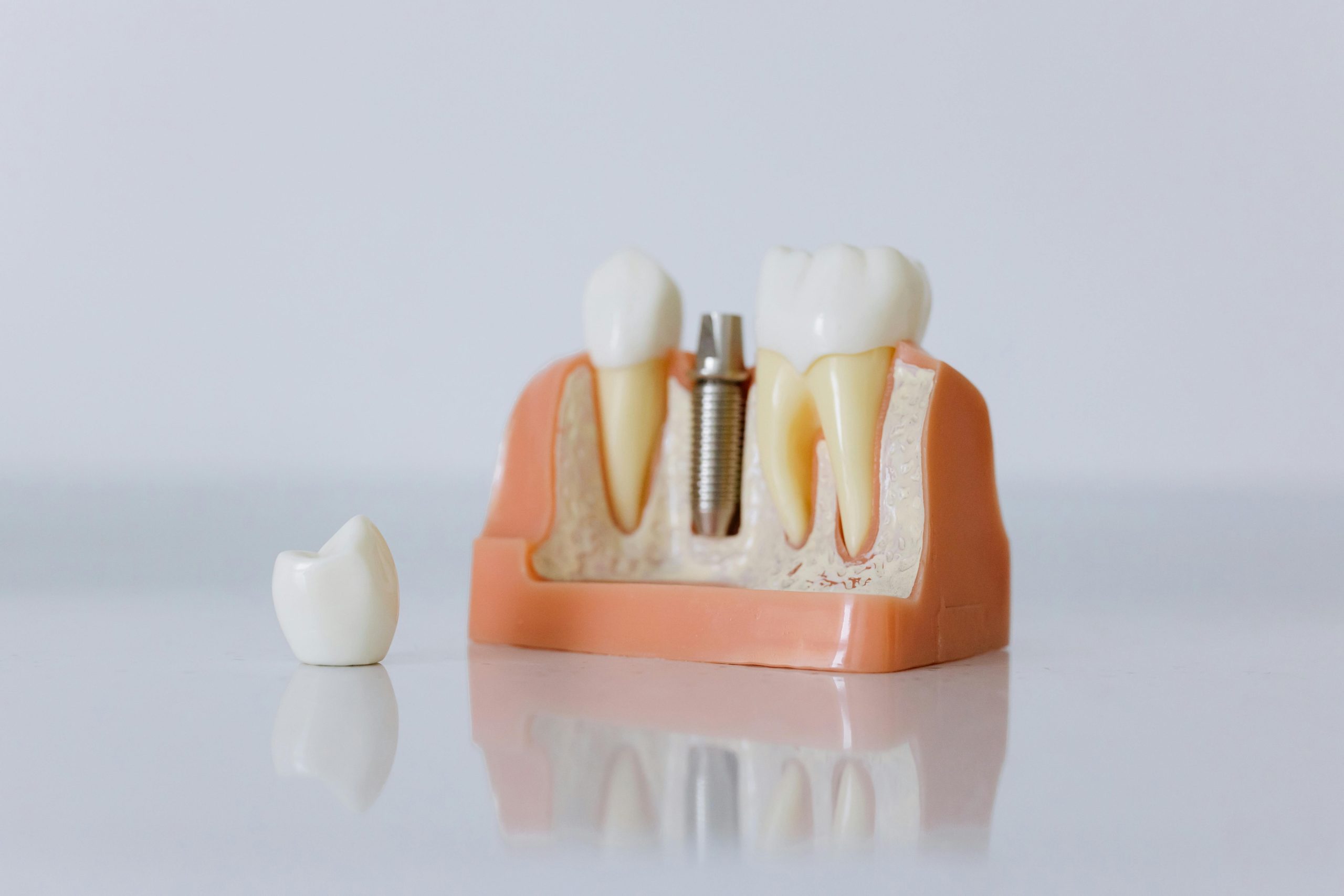
When an extraction is necessary, replacing the missing tooth may be an important next step. Depending on your needs, options may include a dental implant, bridge, or removable appliance.
Your dentist can explain the available choices and help you understand how each option can restore function and support your smile.
Persistent tooth pain, swelling, severe decay, a damaged tooth, or significant looseness should not be ignored. Early evaluation may provide more treatment options and prevent a dental problem from becoming more complicated.
At Aldie Smiles Dentistry, Dr. Edward Park can evaluate your symptoms and determine whether extraction or another treatment is appropriate. If a tooth extraction appointment is recommended, your dental team will explain what to expect and provide personalized aftercare instructions.
We are currently welcoming new patients! If you are looking for a dentist in Aldie to trust and care for your dental health, schedule your visit with us today. Learn who we are and make the commitment to take care of your dental health.