
If you’ve lost one or more teeth, you may be wondering what the process of getting dental implants involves. Choosing dental implants in Aldie can be one of the most effective ways to restore your smile, improve your ability to chew comfortably, and protect your long-term oral health.
Dental implant treatment replaces missing teeth using artificial tooth roots that integrate with the jawbone. From your first consultation through the placement of your custom restoration, each step is designed to provide a secure, natural-looking permanent tooth replacement.
Tooth loss can affect much more than appearance. Missing teeth may make it difficult to eat certain foods, alter speech patterns, and contribute to jawbone deterioration over time. Dental implants offer a dependable solution that closely mimics natural teeth.
Because tooth implants are anchored into the jawbone, they provide stability that removable appliances cannot achieve. Implant dentistry has become a trusted option for patients seeking a long-lasting replacement for missing teeth.
Some of the advantages of dental implants include improved comfort, enhanced function, better jawbone support, and renewed confidence when smiling.
Although every patient receives a customized treatment plan, the dental implant procedure generally follows several important phases.
Your first visit involves a comprehensive examination with an implant dentist. During this appointment, your oral health, medical history, and treatment goals are reviewed. Digital imaging may also be taken to assess the condition of your jawbone and determine the ideal placement of your implants.
This planning stage helps your implant specialist develop an individualized approach to treatment.
Certain patients may need additional procedures before dental implant surgery. If a tooth has been missing for an extended period, bone grafting may be recommended to strengthen the jaw and support successful implant placement.
These preliminary treatments help establish a stable foundation for your future restoration.
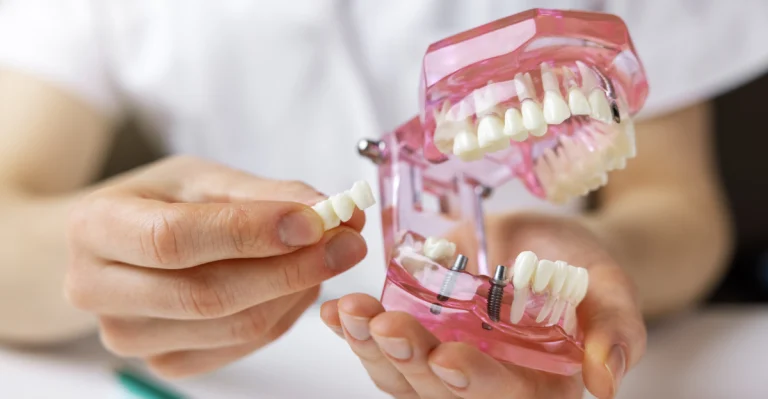
During dental implant surgery, a small titanium post is positioned within the jawbone to replace the missing tooth root. Local anesthesia is typically used to keep you comfortable throughout the procedure.
Many patients are pleasantly surprised to find that the experience is less intimidating than anticipated. Mild discomfort afterward can often be managed with medication and post-operative care instructions.
Following implant placement, your body begins a process called osseointegration. This occurs when the jawbone gradually fuses with the implant post, creating the stability needed to support replacement teeth.
Healing times vary, but this stage is essential to the long-term success of dental implant treatment.
Once healing is complete, the implant is restored with a custom-made crown, bridge, or implant-supported denture. The final restoration is designed to match the shape, color, and appearance of your natural teeth.
The result is a secure, attractive smile that allows you to eat, speak, and laugh with confidence.
Many healthy adults are candidates for implant dentistry. Individuals with healthy gum tissue and adequate bone support often qualify for treatment. Even if you’ve experienced bone loss, advanced procedures may still make tooth implants possible.
The best way to determine whether dental implants are appropriate for your needs is through a consultation with an experienced implant dentist.
Living with missing teeth doesn’t have to be permanent. Dental implants provide a reliable, natural-feeling solution that can improve both your oral health and quality of life.
At Aldie Smiles Dentistry, Dr. Edward Park and our team are committed to helping patients in Aldie achieve healthy, confident smiles through personalized care. Schedule your consultation to learn whether dental implant treatment is the right choice for you.
We are currently welcoming new patients! If you are looking for a dentist in Aldie to trust and care for your dental health, schedule your visit with us today. Learn who we are and make the commitment to take care of your dental health.